

Blog
Acclimation After Transport or Import


Establishing stability after transition
Introduction
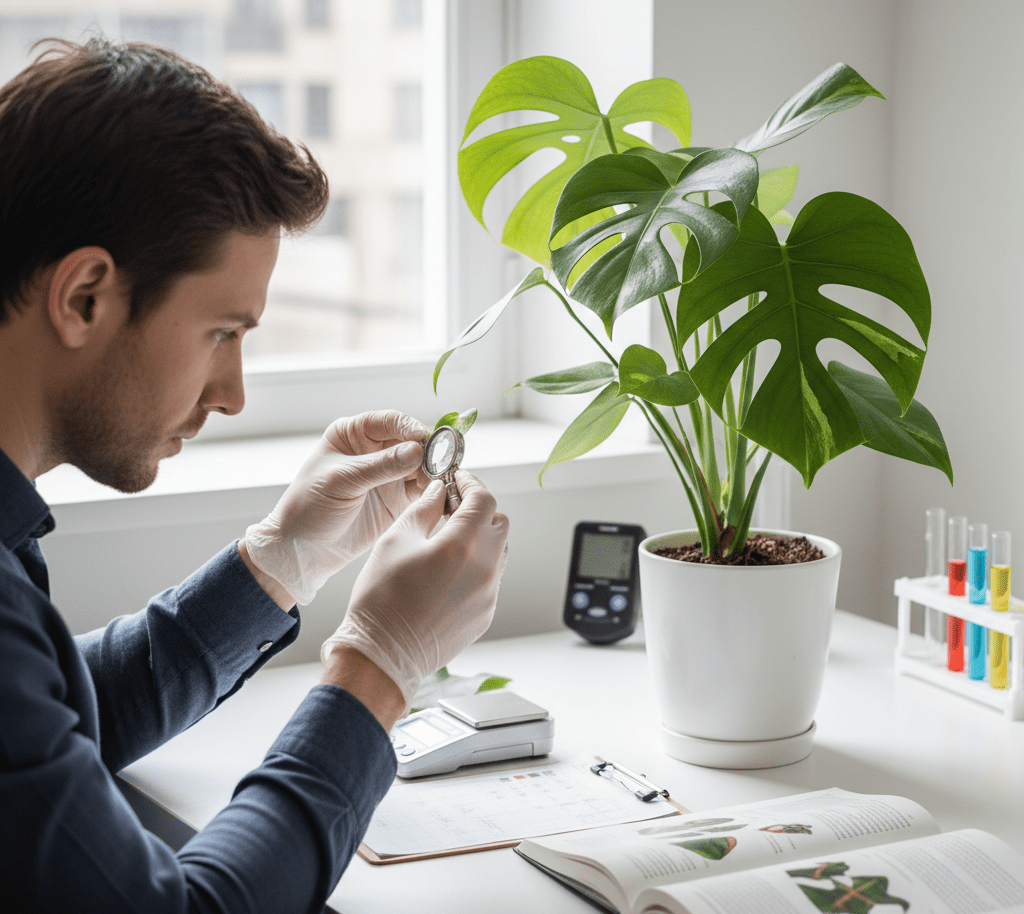
Acclimation is one of the most critical yet underestimated stages in plant cultivation. After transport or import, a plant is not simply “resting”—it is actively adjusting to new environmental conditions. How this transition is handled determines not only short-term recovery, but also long-term stability, structure, and value.
At BK Interplants, acclimation is treated as a foundational cultivation process, not a recovery afterthought.
What Is Acclimation?
Acclimation is the controlled process of allowing a plant to gradually adapt from one environment to another. This includes changes in light intensity, humidity, airflow, temperature, and watering rhythm.
A plant that appears visually intact after shipping may still be under physiological stress. Proper acclimation ensures internal balance before visible growth resumes.
Key Factors in Professional Acclimation
1. Environmental Control
Newly transported plants should be introduced to controlled conditions:
Moderate, indirect light
Stable humidity without sudden drops
Gentle airflow to prevent stagnation
Avoid drastic changes. Stability is more important than optimization at this stage.
2. Water Management
Overwatering during acclimation is one of the most common mistakes. Roots require oxygen to recover.
Allow the growing medium to partially dry
Observe root response before adjusting watering frequency
Prioritize root health over visible leaf hydration
3. Observation Before Intervention
Not every visual change requires action. Temporary leaf yellowing or slowed growth can be part of the adjustment process.
Intervene only when signs indicate structural or root-related issues, not cosmetic stress alone.
Acclimation and Premium Plant Value
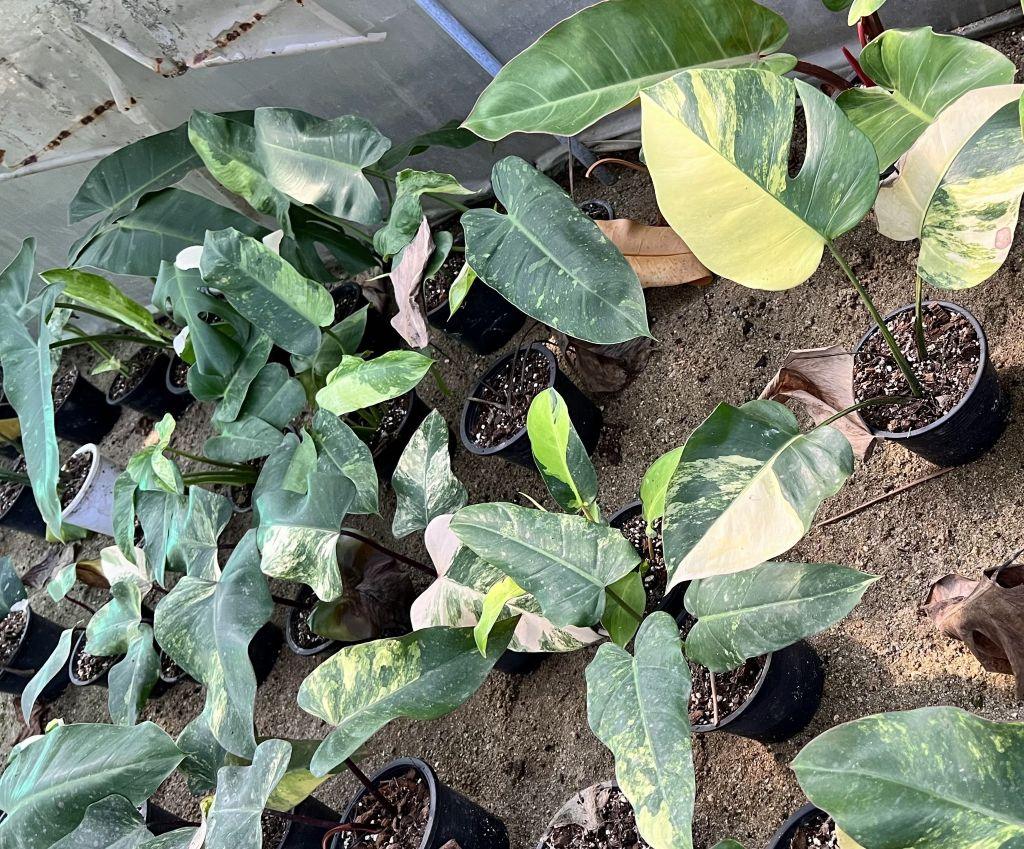
For variegated and rare plants, acclimation directly affects:
Variegation stability
Growth symmetry
Long-term resilience
Rushing this stage often results in permanent imbalance that cannot be corrected later. True cultivation quality is measured months after acclimation—not days.
A Professional Perspective
At BK Interplants, acclimation is integrated into our cultivation philosophy. Each plant is given time, space, and controlled conditions to establish stability before progressing into active growth.
This approach reflects our belief that plant quality is built through understanding, patience, and precision.
Closing Thought
Acclimation is not a pause between shipment and growth—it is the foundation upon which all future development depends. When handled correctly, it transforms transition into strength.